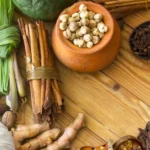



Phytochemicals in herbs play a vital role in boosting your immunity and enhancing overall wellness. These natural compounds can offer antioxidant, anti-inflammatory, and antimicrobial benefits that help protect your body from various illnesses. For instance, certain herbs stimulate white blood cell production while others reduce inflammation. Curious about which herbs can make the biggest impact on your health and how to easily include them in your diet? Let’s explore further.
Understanding Phytochemicals in Herbs
Phytochemicals in herbs play a crucial role in supporting your immunity and overall wellness. These natural compounds possess antioxidant, anti-inflammatory, and antimicrobial properties, helping your body fend off illnesses.
When you consume herbs rich in phytochemicals, you’re giving your immune system a powerful boost. They work by neutralizing harmful free radicals and reducing oxidative stress, which can weaken your defenses.
Additionally, certain phytochemicals enhance the production of immune cells, so your body can respond more effectively to pathogens.
Top Immune-Boosting Herbs and Their Uses
Incorporating immune-boosting herbs into your routine can significantly enhance your health. One standout is echinacea, known for its ability to stimulate white blood cell production.
You might also consider elderberry, which has antioxidant properties that help combat viral infections. Garlic, with its potent allicin, not only adds flavor but also boosts immunity and reduces inflammation.
Turmeric, rich in curcumin, acts as a powerful anti-inflammatory agent, supporting overall wellness. Finally, astragalus root can strengthen your body’s defenses and improve energy levels.
How to Incorporate Phytochemicals Into Your Diet
To boost your intake of beneficial phytochemicals, start by adding a variety of colorful fruits and vegetables to your meals. Think berries, leafy greens, and bright peppers—they’re packed with antioxidants and essential nutrients.
Incorporate herbs like basil, oregano, and turmeric into your cooking; they not only enhance flavor but also provide powerful phytochemicals.
Try swapping out refined grains for whole grains like quinoa or brown rice, which contain beneficial compounds.
Don’t forget about nuts and seeds; they’re great sources of healthy fats and phytochemicals.
Aim for at least five servings of fruits and vegetables daily, and experiment with new recipes to keep things exciting.
Conclusion
Incorporating phytochemicals from herbs into your diet is a simple yet powerful way to boost your immunity and enhance overall wellness. By choosing immune-boosting herbs like Echinacea, garlic, and turmeric, you can harness their natural benefits to support your body’s defenses. Remember, a balanced diet rich in these herbs not only adds flavor but also fortifies your health, helping you feel your best every day. Embrace these natural allies for a stronger, healthier you!