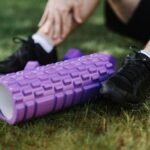



You might wonder if recovery tools can genuinely enhance your athletic performance. Many athletes swear by them, claiming faster recovery and improved training sessions. But do these tools really make a difference, or are they just another trend? As you explore the various options available, it’s essential to consider how they impact your body and training regimen. What factors should you weigh in making your decision? Let’s unpack this further.
Can Recovery Tools Really Improve Athletic Performance?
Have you ever wondered if recovery tools can truly enhance your athletic performance? You’re not alone in this curiosity. Many athletes explore various recovery methods, from foam rollers to compression garments, hoping to gain an edge.
These tools often promise to reduce soreness, improve flexibility, and speed up recovery times. When you incorporate them into your routine, you might find that you feel fresher and more prepared for your next workout.
It’s essential to listen to your body and choose tools that resonate with your needs. While science backs some benefits, the effectiveness can vary from person to person.
Ultimately, experimenting with recovery tools can help you discover what works best for you and your athletic goals.
The Impact of Recovery Tools on Athletic Performance
Recovery tools can significantly influence athletic performance, often serving as the bridge between intense training sessions and optimal recovery.
When you incorporate tools like foam rollers, massage guns, or compression gear, you’re actively aiding your body in healing and reducing soreness. This means you can train harder and more frequently without the dreaded fatigue holding you back.
Improved circulation and decreased muscle tension from these tools help you bounce back faster, allowing for consistent performance gains. Plus, by prioritizing recovery, you’re less likely to face injuries that sideline your progress.
Ultimately, the right recovery tools can elevate not just your performance but also your overall athletic experience, helping you achieve your fitness goals more effectively.
What to Consider When Choosing Recovery Tools?
When selecting recovery tools, it’s essential to consider your specific needs and goals. Think about the type of activities you engage in and the recovery challenges you face. For example, if you’re a runner, tools like foam rollers or compression sleeves might be beneficial.
Next, evaluate your budget; some tools can be pricey, while others offer great value. Research user reviews and expert recommendations to gauge effectiveness.
Don’t forget to consider how easy the tools are to use and integrate into your routine. Lastly, think about your long-term commitment. Choosing tools that align with your lifestyle will ensure you stay consistent and make the most of your recovery efforts.
Prioritize what feels right for you!
Conclusion
Incorporating recovery tools into your routine can truly enhance your athletic performance. By improving circulation and reducing muscle tension, these tools help you recover faster and train harder. While everyone’s experience may differ, regularly using recovery tools can boost your flexibility and overall readiness to tackle fitness goals. So, if you’re serious about elevating your athletic experience, consider making recovery tools a staple in your regimen—they just might be the game-changer you need!