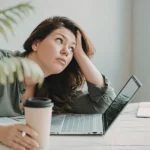



You might think that adopting lifestyle changes can completely wipe out stress and anxiety. While regular exercise, a balanced diet, and mindfulness can certainly help, they may not work the same for everyone. Individual factors, like genetics and ongoing stressors, can play a big role. So, how do you know when these changes are enough, and when it’s time to seek additional support? The answer might surprise you.
Effective Lifestyle Modifications for Stress Relief
When you’re feeling overwhelmed by stress and anxiety, making simple lifestyle changes can make a big difference.
Start by incorporating regular physical activity into your routine. Even a brisk walk can boost your mood and energy levels.
Next, prioritize sleep; aim for seven to nine hours each night to help your mind and body recover.
Also, pay attention to your diet; eating whole foods, like fruits and vegetables, can enhance your overall well-being.
Practicing mindfulness, through techniques like meditation or deep breathing, can ground you and reduce anxious thoughts.
Lastly, nurturing social connections can provide emotional support.
Understanding How Lifestyle Changes Impact Stress and Anxiety
When you incorporate healthy habits like regular exercise, balanced nutrition, and adequate sleep, you’re not just improving your physical health; you’re also nurturing your mental well-being.
Exercise releases endorphins, which boost your mood and reduce tension. Eating nutrient-rich foods helps stabilize your energy levels and emotional state.
Additionally, prioritizing sleep allows your body to recover, making you more resilient to stress.
Mindfulness practices, such as meditation and deep breathing, can also enhance your ability to cope with anxiety.
Limitations of Lifestyle Changes for Anxiety?
While lifestyle changes can significantly improve your mental health, they aren’t a one-size-fits-all solution for anxiety. You might find that some strategies, like exercise or diet modifications, help others but don’t seem to work for you.
Individual factors, such as genetics and personal history, can play a big role in how effective these changes are. Additionally, lifestyle adjustments often require time and consistent effort, which can be discouraging if you expect immediate results.
Stressors in your life might also persist despite your best efforts, making it hard to fully alleviate anxiety. Recognizing these limitations is important; it helps you set realistic expectations and remain open to exploring other avenues for managing your anxiety effectively.
When to Consult a Professional for Anxiety Management
Lifestyle changes can be helpful, but they don’t always replace the need for professional guidance. If your anxiety feels overwhelming or persistent, it’s time to consult a mental health professional.
You should seek help when anxiety interferes with daily activities, like work or relationships, or if you’re experiencing panic attacks. If self-help strategies aren’t providing relief after several weeks, don’t hesitate to reach out.
Additionally, if you notice physical symptoms like insomnia, headaches, or digestive issues linked to your anxiety, a professional can help address these concerns.
Conclusion
Incorporating lifestyle changes can definitely help reduce stress and anxiety, but it’s important to remember they might not work for everyone. Individual factors and persistent stressors can limit their effectiveness. So, while you should embrace healthier habits, don’t hesitate to seek professional support if needed. Combining lifestyle modifications with expert guidance often leads to the best outcomes. Your mental well-being is crucial, and finding the right balance is key to managing anxiety effectively.