

You might wonder if anti-inflammatory foods truly live up to their promise. With many claiming they can reduce inflammation and improve health, it’s essential to separate fact from fiction. While fruits, vegetables, and healthy fats are often highlighted, their effectiveness can vary based on individual circumstances. So, what does the science really say about these foods and their role in managing chronic diseases? Let’s explore the details.
What Are Anti-Inflammatory Foods?
When you’re looking to boost your overall health, anti-inflammatory foods can play a crucial role. These foods help reduce inflammation in your body, which is linked to various health issues.
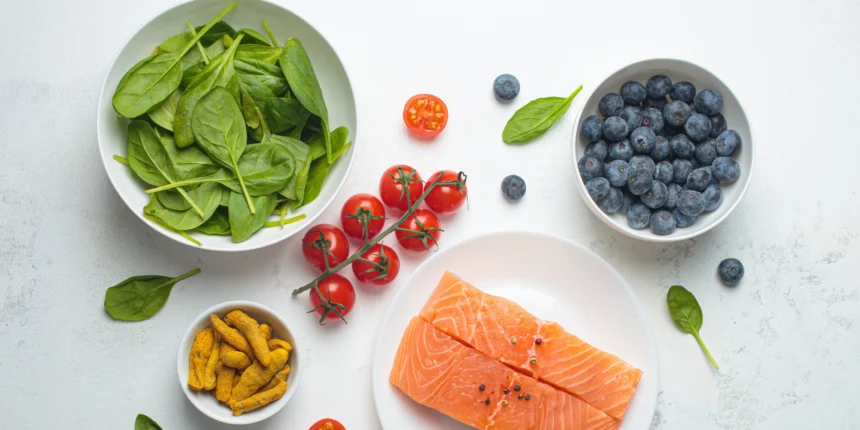
You’ll find plenty of options in your pantry and local grocery store. Think of fruits like berries and oranges, which are packed with antioxidants. Leafy greens such as spinach and kale are also excellent choices.
Don’t forget healthy fats, like those from avocados and olive oil, as well as fatty fish, which are rich in omega-3s. Whole grains and nuts can further support your journey toward better health.
How Do Anti-Inflammatory Foods Help Chronic Diseases?
Anti-inflammatory foods can significantly impact chronic diseases by helping to lower inflammation levels in the body, which is often a key factor in conditions like heart disease, diabetes, and arthritis.
By incorporating fruits, vegetables, whole grains, and healthy fats into your diet, you can reduce oxidative stress and improve your overall health. These foods provide essential nutrients and antioxidants that combat inflammation and promote healing.
For instance, omega-3 fatty acids found in fish and flaxseeds can decrease inflammatory markers, while colorful fruits and vegetables supply vitamins that support your immune system.
Choosing these foods can lead to better management of symptoms and a lower risk of disease progression, making a real difference in your long-term well-being.
What Does the Latest Research Show About Anti-Inflammatory Foods?
How effective are anti-inflammatory foods in combating chronic inflammation? Recent studies suggest that incorporating foods rich in antioxidants, omega-3 fatty acids, and polyphenols can significantly reduce inflammation markers in your body.
For instance, a diet high in fruits, vegetables, nuts, and fish has been linked to lower levels of inflammatory cytokines. Additionally, researchers found that spices like turmeric and ginger may also play a role in diminishing inflammation.
While individual results can vary, the evidence indicates that these foods can contribute to a healthier inflammatory response. So, if you’re looking to manage chronic inflammation, focusing on these nutrient-dense options might be a beneficial strategy.
Always consider consulting a healthcare professional for personalized advice.
Conclusion
Incorporating anti-inflammatory foods into your diet can make a real difference in reducing inflammation and improving overall health. By choosing nutrient-rich options like fruits, vegetables, healthy fats, and whole grains, you’re not just fighting chronic diseases but also boosting your immune system. While everyone’s body responds differently, personalizing your choices can lead to better outcomes. So, embrace these foods and take a proactive step toward a healthier you!