


When considering your long-term health, you might wonder about the role of anti-inflammatory diets. These eating patterns focus on nutrient-rich foods, potentially lowering your risk of chronic diseases. However, you may also face challenges in maintaining such a diet. Understanding both the benefits and difficulties can help you navigate this lifestyle. So, what does it really take to make anti-inflammatory eating work for you?
What Is an Anti-Inflammatory Diet and How Does It Work?
An anti-inflammatory diet focuses on foods that help reduce inflammation in your body, promoting overall health.
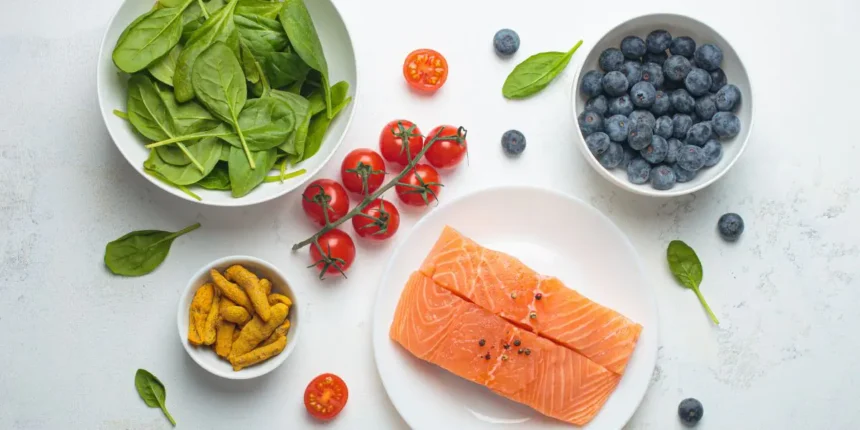
You’ll want to incorporate plenty of fruits, vegetables, whole grains, lean proteins, and healthy fats into your meals. Foods rich in omega-3 fatty acids, like salmon and walnuts, are key players, as they’ve been shown to combat inflammation.
Spices like turmeric and ginger can also be beneficial. Avoid processed foods, added sugars, and trans fats, as they often trigger inflammatory responses.
By prioritizing these nutrient-dense foods, you’ll not only support your body’s natural defenses but also enhance your energy levels and mood.
This diet isn’t just about what you eat; it’s about making mindful choices for a healthier lifestyle.
Top Health Benefits of Long-Term Anti-Inflammatory Eating
Long-term anti-inflammatory eating offers numerous health benefits that extend beyond just reducing inflammation. By focusing on whole foods like fruits, vegetables, whole grains, and healthy fats, you can enhance your overall well-being.
This approach may lower your risk of chronic diseases, such as heart disease and diabetes, while promoting better brain health and mood stability. You’ll likely experience improved digestion and increased energy levels as well.
Furthermore, anti-inflammatory foods can support a healthy immune system, helping your body fend off illnesses more effectively. As you embrace this dietary lifestyle, you might notice better skin health and a more balanced weight, contributing to your long-term vitality and quality of life.
Enjoy the journey toward a healthier you!
What Makes Sticking to an Anti-Inflammatory Diet Tough?
Sticking to an anti-inflammatory diet can be challenging, especially when faced with tempting processed foods and social situations. You might find it tough to resist that slice of pizza at a party or the convenience of fast food after a long day.
The constant availability of unhealthy options can derail your efforts. Additionally, meal prep can feel overwhelming, making it easy to revert to familiar, less healthy choices.
You may also encounter skepticism from friends or family who don’t understand your dietary goals, adding social pressure. Navigating these obstacles requires determination and planning, but recognizing these challenges can help you build strategies to stay committed to your health journey.
Creating a Sustainable Anti-Inflammatory Diet Plan
Next, set realistic goals. Instead of overhauling your entire diet overnight, gradually introduce anti-inflammatory foods while reducing processed items.
Make meal prep a routine to save time and ensure you have healthy options on hand.
Lastly, listen to your body. Adjust your choices based on how certain foods affect your energy and well-being.
Conclusion
Incorporating an anti-inflammatory diet into your lifestyle can truly transform your health for the long haul. By focusing on nutrient-rich foods, you’re not just lowering your risk of chronic diseases but also boosting your mood and brain function. While sticking to these habits might be challenging at times, the benefits are worth it. Embrace this journey towards better health and well-being, and enjoy the lasting positive effects it brings to your life.