


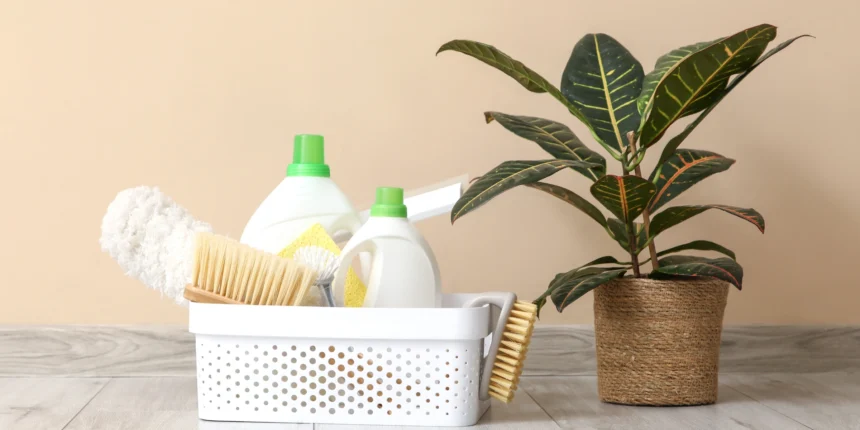
You might not realize it, but your home could be filled with hidden environmental toxins. Everyday items, from cleaning supplies to air fresheners, often contain harmful substances that can impact your health. These toxins can affect everyone, especially children and pets. Understanding where these dangers lurk is crucial. So, what are the specific items you should be wary of? The answers might surprise you.
Understanding the Health Impacts of Hidden Environmental Toxins?
These toxins can affect your health in various ways, leading to respiratory issues, skin irritation, and even long-term chronic conditions. You may not notice immediate symptoms, but prolonged exposure can weaken your immune system and increase the risk of serious diseases.
It’s important to recognize that children and pets are particularly vulnerable to these harmful substances. By being proactive and aware, you can create a safer living environment.
Simple changes in your daily habits can significantly reduce your exposure. Taking these steps not only protects your health but also contributes to a healthier home for everyone.
Top Household Items That Harbor Hidden Environmental Toxins
While you may feel safe in your home, many common household items can harbor hidden environmental toxins. You might be surprised to learn that cleaning products, often scented for pleasant aromas, can contain harmful chemicals like phthalates and formaldehyde.
Your non-stick cookware may release toxic fumes when overheated, while certain air fresheners and candles can emit volatile organic compounds (VOCs). Even furniture made from particleboard can off-gas harmful substances.
Don’t overlook personal care products, either; many lotions and shampoos contain parabens and sulfates.
Lastly, your beloved houseplants can absorb toxins from the air but may also harbor pesticides. Being aware of these items is the first step in protecting your health and creating a safer living environment.
Simple Strategies to Reduce Toxins at Home
Reducing toxins in your home doesn’t have to be overwhelming; even small changes can make a big difference. Start by switching to natural cleaning products. Vinegar and baking soda are effective alternatives that cut down on harmful chemicals.
Next, improve ventilation by opening windows regularly to let fresh air circulate. Consider adding indoor plants like spider plants or peace lilies; they can help purify the air.
When it comes to personal care items, choose products with fewer synthetic ingredients. Don’t forget to regularly check for mold in damp areas, as it can release toxins.
Finally, minimize plastic use by opting for glass or stainless steel containers. Each step you take contributes to a healthier living space.
Conclusion
Being aware of hidden environmental toxins in your home is the first step toward a healthier living space. By identifying common culprits like cleaning products, cookware, and furniture, you can take proactive measures to reduce exposure. Implementing simple strategies, such as choosing safer alternatives and improving ventilation, makes a significant difference in your environment. Prioritizing your health and well-being not only benefits you but also protects your loved ones, including pets and children.